
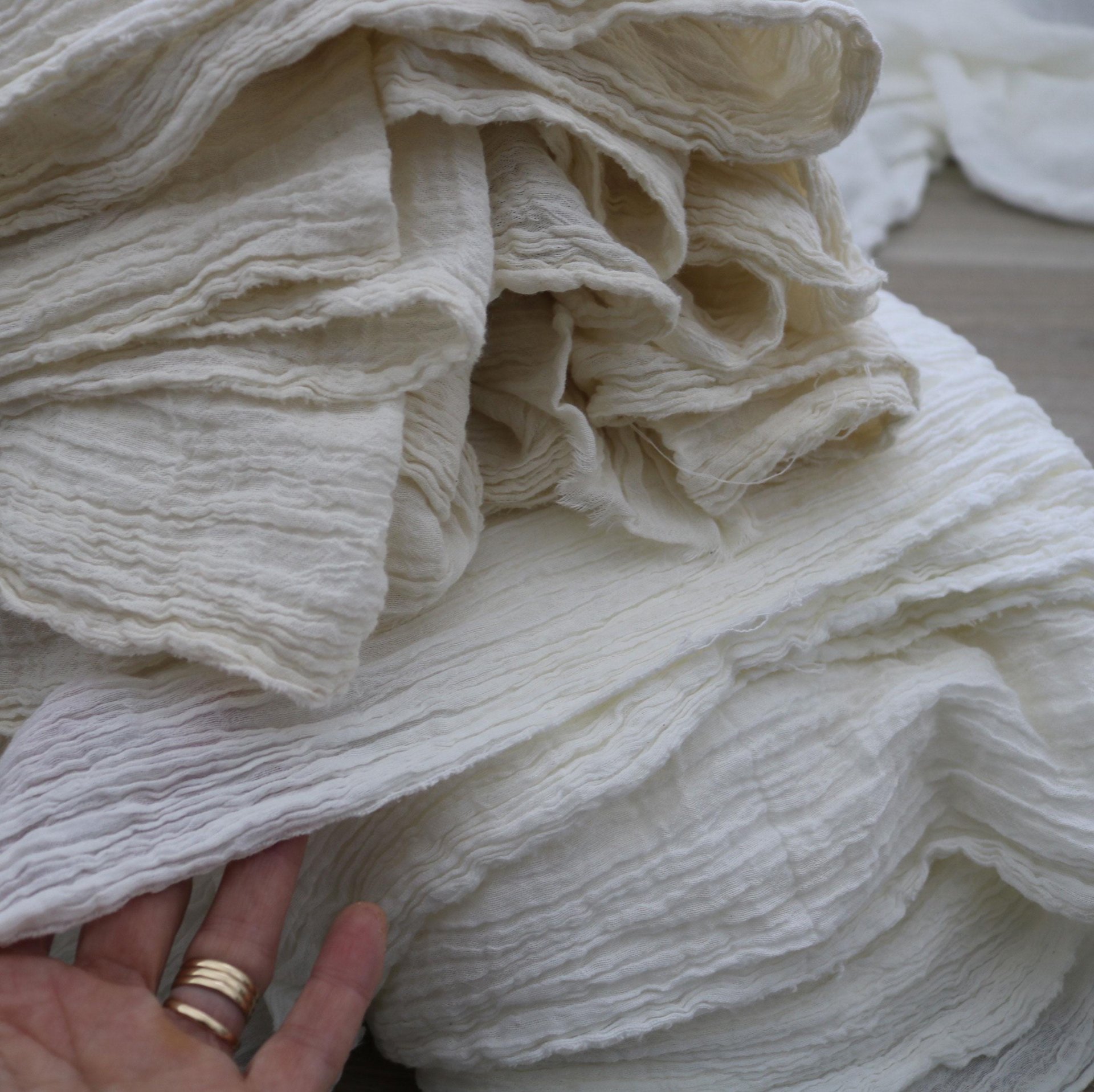
The materials behind every Emme garment.
Every fabric is tested against OEKO-TEX Standard 100 Class I criteria, the threshold used for infant clothing.
The Fabrics
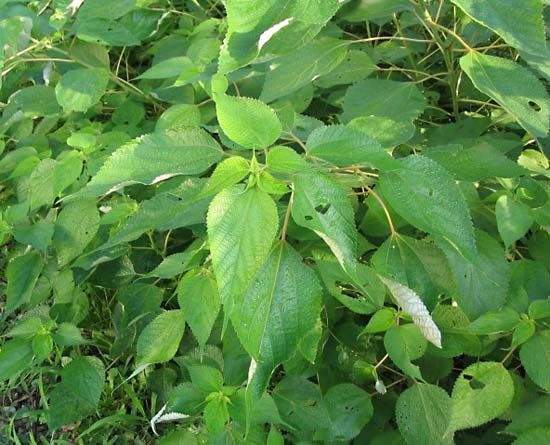
Reedcloth™
- Composition
- 60% grass linen / 40% cotton
- Weight
- 160–260 GSM
Reedcloth is our own proprietary blend — a grass linen and cotton construction we developed after two years of testing. Most natural-fiber brands avoid grass linen because it is harder to source and finish. We built Reedcloth around it on purpose.
Grass linen is also known as Boehmeria nivea — the botanical name for ramie, a species in the nettle family. Stronger when wet than dry. Naturally antibacterial. The closest thing to a technical fiber that exists in the plant world.
Honest limitation
Grass linen on its own is stiff. The 40% cotton in Reedcloth is there to soften the hand without giving up the performance.
Used in transitional pants and bottoms.
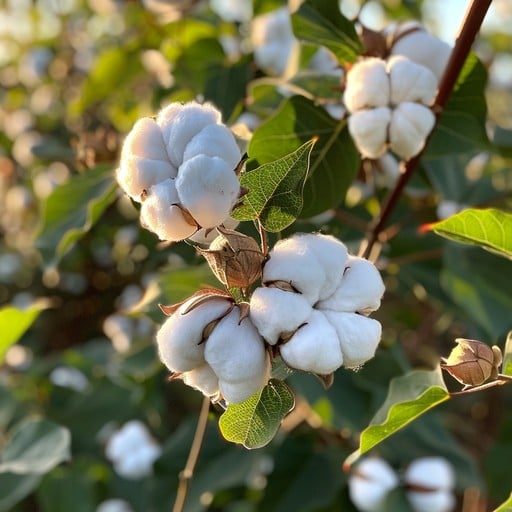
Cotton
- Composition
- 100% cotton, in several weaves
- Weight
- 110–200 GSM
Cotton is the backbone of the line. It breathes against a warm bump, doesn’t cling, and doesn’t trap heat. We use it across shirting, sleep, and everyday layers.
We work with a few different cotton weaves rather than one generic fabric — each chosen for what the garment needs to do.
Honest limitation
Cotton shrinks on its first wash and keeps softening over time. We pre-wash and account for it in the pattern, but the hand and drape will keep changing for the first few wears.
Used in our gauze tops, sleep sets, and second-trimester layering pieces.
Cotton Poplin
Tight plain weave at 110–140 GSM. Smooth, crisp, opaque. Used where a shirt or dress needs to read as tailored rather than soft.
Cotton Gauze (Tillcloth)
Double-layer gauze at ~150 GSM. Airy and textural, woven in two layers so it stays opaque without weight. Used in our gauze tops and sleep sets.
Pima Cotton
Extra-long-staple at 140–180 GSM. Soft, slightly lustrous, resists pilling. Used where the fabric sits directly against skin — tees, nursing camisoles, postpartum sleepwear.

Linen
- Composition
- 100% European linen
- Weight
- 180–220 GSM
Linen is one of the oldest cultivated fibers in the world, spun from the stalk of the flax plant. Flax grows with little water and almost no irrigation or pesticide, and nearly every part of the plant is used — it is one of the lowest-impact natural fibers available.
The fiber itself is hollow, which is why linen breathes the way it does: cool against the skin in summer, insulating in cooler weather, and faster to release moisture than cotton. It is two to three times stronger than cotton, gets softer with every wash without losing structure, and develops a hand over years of wear that synthetics cannot replicate.
Honest limitation
Linen creases. That is the fiber, not a defect.
Used in our smocked pants, summer dresses, and warm-weather woven shirts.
Testing
Tested against OEKO-TEX Standard 100 Class I criteria, via QIMA.
OEKO-TEX Standard 100 is a finished-textile chemical-safety standard. It tests for residual pesticides, heavy metals, formaldehyde, azo dyes, phthalates, banned chlorophenols, allergenic disperse dyes, and skin pH.
The standard has tiered classes based on how the textile contacts the body. Class I is the strictest tier, used for products with direct skin contact intended for babies and young children up to 36 months.
We test our fabrics against Class I criteria through QIMA, an independent third-party testing laboratory. We do this because pregnant and postpartum skin is more reactive than average, and because much of what we make is worn against breastfeeding skin.
A note on language: we say “tested against OEKO-TEX Standard 100 Class I criteria via QIMA” — not “OEKO-TEX certified.” Certification is a separate process held in the supplier’s or brand’s name. We are not currently certified. We are tested to the certification’s strictest threshold. The distinction is small and we’d rather get it right.
What We Don’t Use
The list of refusals is shorter than the list of fabrics. It matters more.
- PolyesterIn any primary fabric — nothing that touches the skin will have polyester.
- Recycled polyesterStill polyester. Still sheds microplastics. The recycling story doesn’t change the chemistry.
- Azo dyesConventional dyes that can release carcinogenic arylamines during wear and wash.
- Formaldehyde wrinkle-resist finishesUsed to keep cotton smooth. We’d rather you iron.
- PFAS-based water repellentsPersistent, bioaccumulative, and present in far too many “performance” naturals.
If you want to see the test reports, email us.